

As the world grapples with the challenges of climate change, food insecurity, and economic inequality, it has become increasingly clear that sustainable agriculture is key to building resilient communities. In this article, we will explore the critical role that agriculture plays in fostering sustainable development, using the Nkonteh Cultural and Development Associations (NKOCDA) plantain project as a case study.
The Importance of Sustainable Agriculture
Agriculture is the backbone of many rural communities, providing employment, income, and food security. However, conventional agricultural practices often prioritize short-term gains over long-term sustainability, leading to soil degradation, water pollution, and loss of biodiversity. In contrast, sustainable agriculture prioritizes environmental stewardship, social equity, and economic viability.

NKOCDA’s Plantain Project: A Model for Sustainable Agriculture
In 2022, NKOCDA launched an ambitious project to plant 5,000 stems of plantain in Nkonteh village. The project aimed to promote sustainable agriculture, create employment opportunities for local youth, and improve food security in the community.

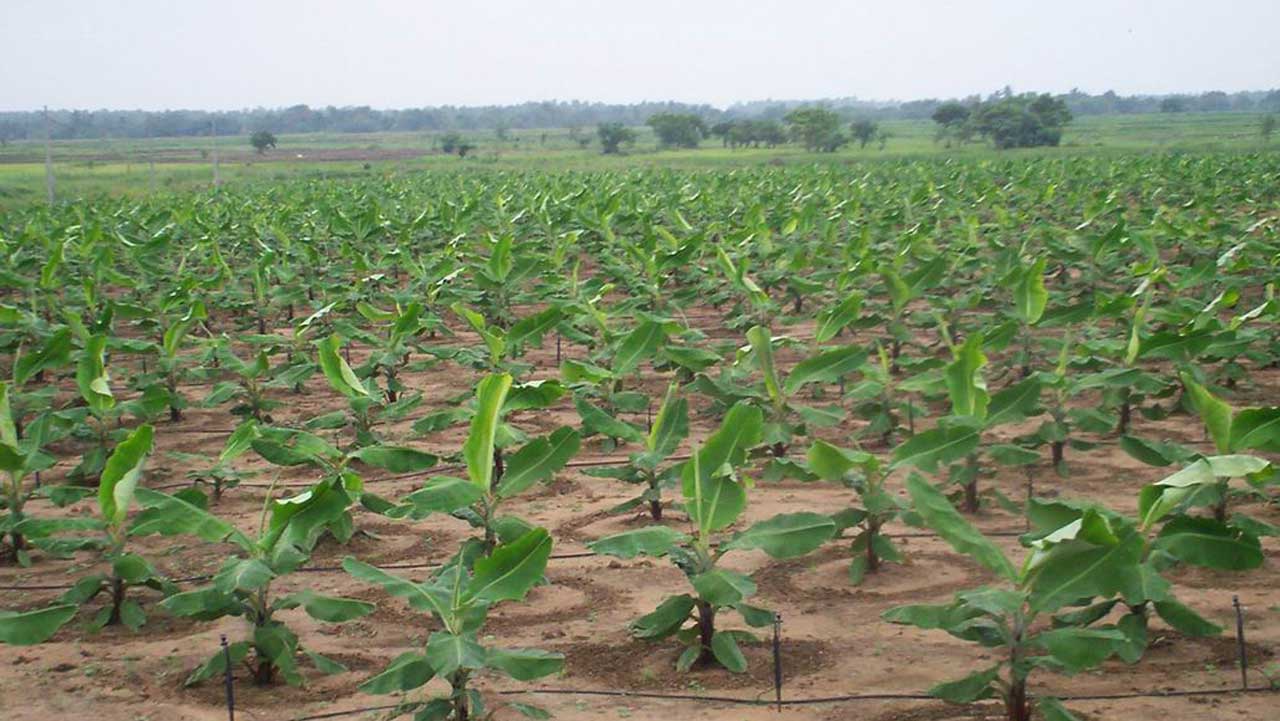
The project’s impact was multifaceted:
1. Employment and Income Generation: The project employed over 50 local youths, providing them with a steady income and valuable skills in agriculture.
2. Road Development: The project led to the development of roads in the village, facilitating access to markets, schools, and healthcare facilities.
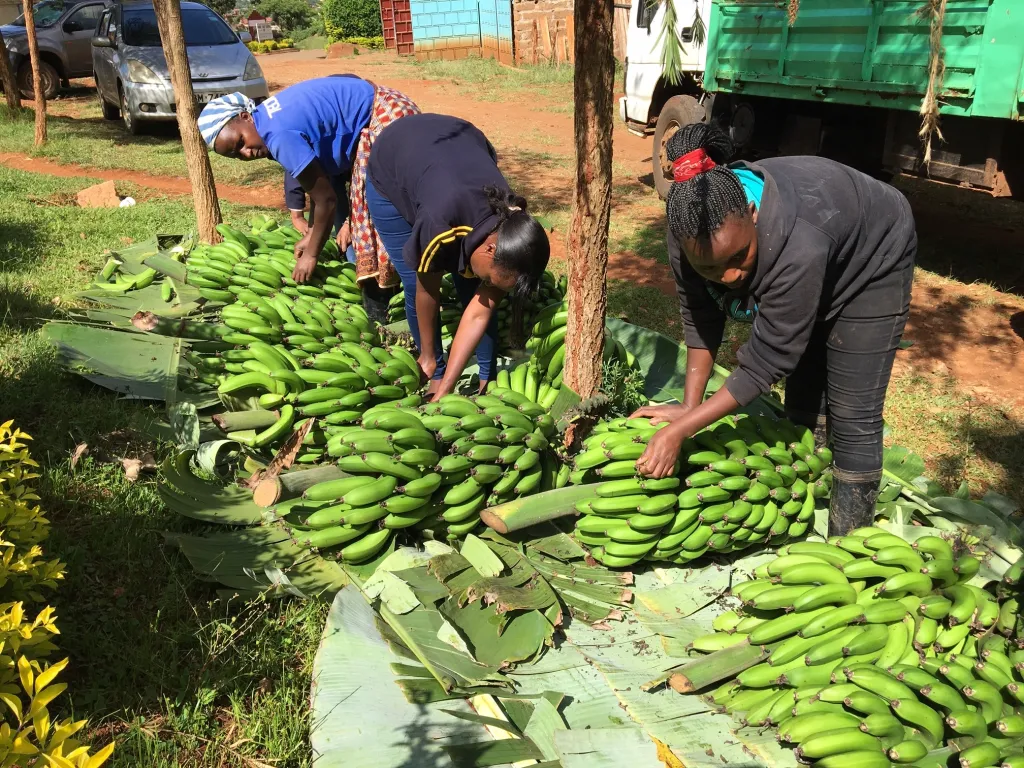
3. Food Security: The plantain project increased food availability in the community, providing a staple crop for local consumption.
4. Community Engagement: The project promoted community engagement and participation, fostering a sense of ownership and responsibility among community members.
5. Environmental Sustainability: The project promoted sustainable agricultural practices, such as crop rotation and organic farming, to maintain soil fertility and reduce environmental degradation.

Lessons Learned and Best Practices
The NKOCDA plantain project offers valuable lessons for sustainable agriculture initiatives:
1. Employment and Income Generation: The project employed over 50 local youths, providing them with a steady income and valuable skills in agriculture.
2. Capacity Building: Providing training and capacity-building programs for local youths and farmers is essential for promoting sustainable agriculture practices.
3. Environmental Stewardship: Sustainable agriculture projects must prioritize environmental sustainability, using practices that minimize harm to the environment and promote eco-friendly farming methods.
4. Economic Viability: Sustainable agriculture projects must be economically viable, providing a stable income for farmers and contributing to local economic development.
NKOCDA’s Future Plans
Building on the success of the plantain project, NKOCDA has plans to expand its agricultural initiatives in the following areas:
1. Diversification of Crops: NKOCDA plans to introduce new crops, such as cassava and maize, to promote crop diversification and reduce dependence on a single crop.
2. Irrigation Systems: NKOCDA plans to develop irrigation systems to support year-round farming and reduce reliance on rainfall.
3. Farmers’ Training: NKOCDA plans to provide training and capacity-building programs for local farmers to promote sustainable agriculture practices and improve crop yields.
4. Market Access: NKOCDA plans to establish market linkages to support local farmers in accessing markets and improving their incomes.
5. Opening of Food Processing Factories: NKOCDA plans to establish food processing factories to add value to locally produced crops, create employment opportunities, and increase income for local farmers.
Conclusion
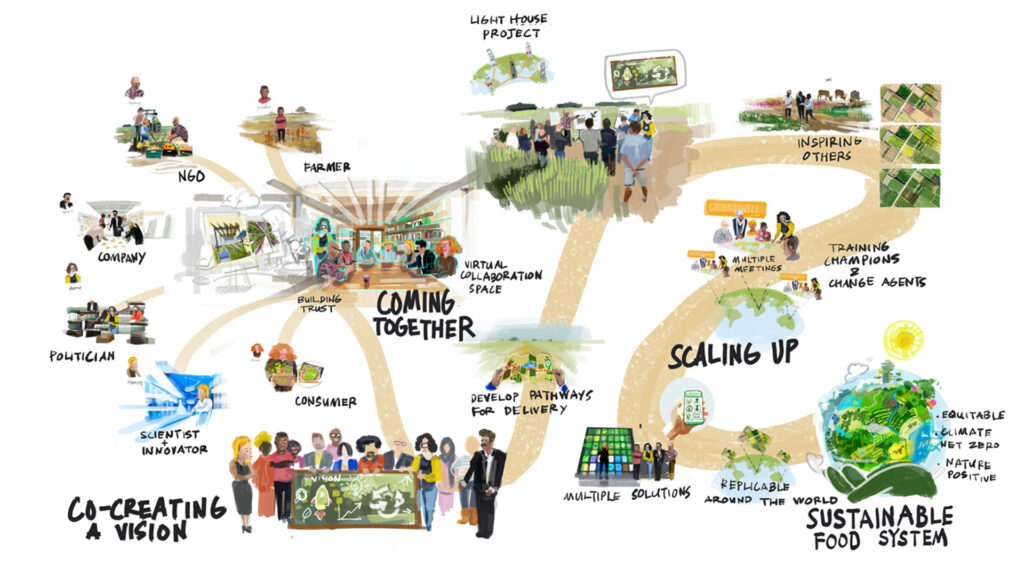
Agriculture is the cornerstone of sustainable community development. The NKOCDA plantain project demonstrates the potential of sustainable agriculture to promote environmental stewardship, social equity, and economic viability. As we move forward, it is essential that we prioritize sustainable agriculture practices, support local communities, and promote environmentally friendly farming methods to build resilient and sustainable communities.