

Cultural heritage is the backbone of any community, providing a sense of identity, belonging, and continuity. It encompasses the customs, traditions, languages, and values passed down from one generation to the next. However, with the increasing influence of globalization and urbanization, many traditional practices are at risk of being lost forever. Documenting these practices is crucial for preserving cultural heritage, and this article will explore the importance of doing so, as well as provide suggestions for best practices.
The Importance of Preserving Cultural Heritage
Cultural heritage is a vital component of a community’s history and identity. It provides a connection to the past, present, and future, and helps to foster a sense of community and social cohesion. Traditional practices, such as music, dance, art, and craft, are an integral part of cultural heritage, and play a significant role in shaping the community’s values and customs.
However, many traditional practices are facing extinction due to various factors, including:
- Globalization: The increasing influence of global culture is leading to the erosion of traditional practices, as communities adopt more modern and Westernized ways of life.
- Urbanization*: The migration of people from rural to urban areas is leading to the loss of traditional practices, as communities become disconnected from their cultural roots.
- Aging population*: Many traditional practitioners are elderly, and as they pass away, their knowledge and skills are at risk of being lost forever.

The Role of Documentation in Preserving Cultural Heritage
Documentation is a crucial step in preserving cultural heritage. By recording and documenting traditional practices, communities can:
- Preserve knowledge*: Documentation helps to preserve the knowledge and skills associated with traditional practices, ensuring that they are not lost over time.
- Promote cultural awareness*: Documentation can help to raise awareness about the importance of cultural heritage, promoting a sense of pride and ownership among community members.
- Support cultural revitalization*: Documentation can provide a valuable resource for communities looking to revitalize their cultural heritage, providing a foundation for cultural renewal and revitalization.
Best Practices for Documenting Traditional Practices
Documenting traditional practices requires a thoughtful and nuanced approach. Here are some best practices to consider
- 1. *Community involvement*: Documentation should be a community-led process, involving traditional practitioners and community members in all stages of the documentation process.
- 2. *Respect and sensitivity*: Documenters should approach the documentation process with respect and sensitivity, recognizing the cultural significance and value of the traditional practices being documented.
- 3. *Multimedia documentation*: Documentation should incorporate a range of multimedia formats, including video, audio, photographs, and written records, to provide a comprehensive and engaging record of traditional practices.
- 4. *Contextualization*: Documentation should provide context about the traditional practices being documented, including information about their history, significance, and cultural relevance.
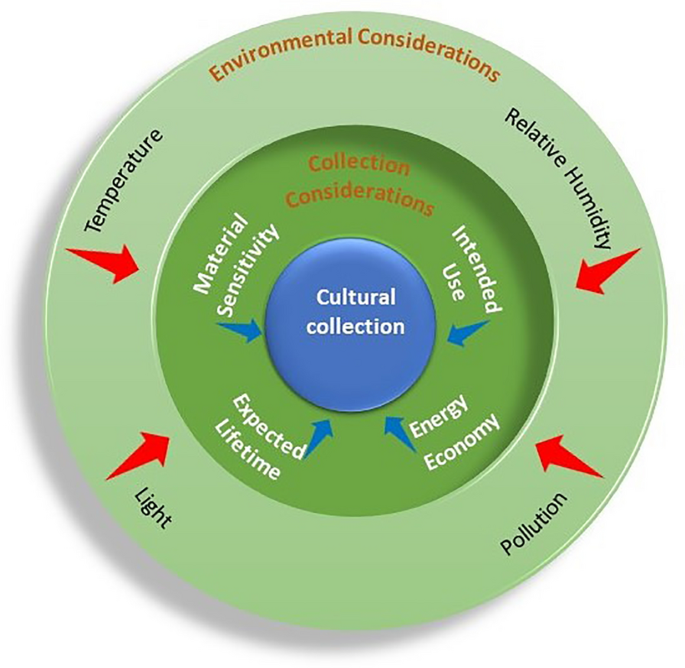
- 5. *Preservation and conservation*: Documentation should be preserved and conserved for future generations, using formats and storage solutions that ensure long-term accessibility and usability.
- 6. *Accessibility and sharing*: Documentation should be made accessible to community members and other stakeholders, using platforms and formats that facilitate sharing and dissemination.
- 7. *Collaboration and partnership*: Documentation should involve collaboration and partnership with other organizations and stakeholders, including museums, archives, and cultural institutions.
Some Case Studies of Successful Documentation Projects
There are many successful documentation projects around the world that demonstrate the importance of preserving cultural heritage. Here are a few examples:
- The Smithsonian Folklife Festival*: This annual festival in Washington, D.C. celebrates cultural heritage from around the world, featuring music, dance, art, and craft demonstrations.
- The UNESCO Intangible Cultural Heritage of Humanity*: This program recognizes and documents intangible cultural heritage practices from around the world, including music, dance, theater, and social practices.
- The Endangered Languages Project*: This project documents and preserves endangered languages from around the world, providing a valuable resource for language revitalization and cultural preservation
Conclusion
Preserving cultural heritage is a critical task that requires careful documentation and preservation of traditional practices. By involving communities in the documentation process, using multimedia formats, and providing context and preservation, we can ensure that cultural heritage is preserved for future generations. The case studies highlighted in this article demonstrate the importance of preserving cultural heritage and provide models for successful documentation projects.
Recommendations
- Community members*: Take an active role in documenting and preserving traditional practices, and advocate for the importance of cultural heritage preservation.
- – *Cultural institutions*: Collaborate with communities to document and preserve traditional practices, and provide resources and support for cultural heritage preservation.
- – *Policy makers*: Develop and implement policies that support cultural heritage preservation, and provide funding and resources for documentation and preservation projects.
By working together, we can ensure that cultural heritage is preserved for future generations, providing a valuable resource for cultural renewal, revitalization, and sustainability.